
How We Work
It starts with listening — really listening.
Before we write a word or pitch a single story, we spend serious time understanding what's actually keeping you up at night — your pain points, your goals, the gap between where the debate is and where it needs to be. That conversation shapes everything that follows.
Then we go find what nobody else has found.
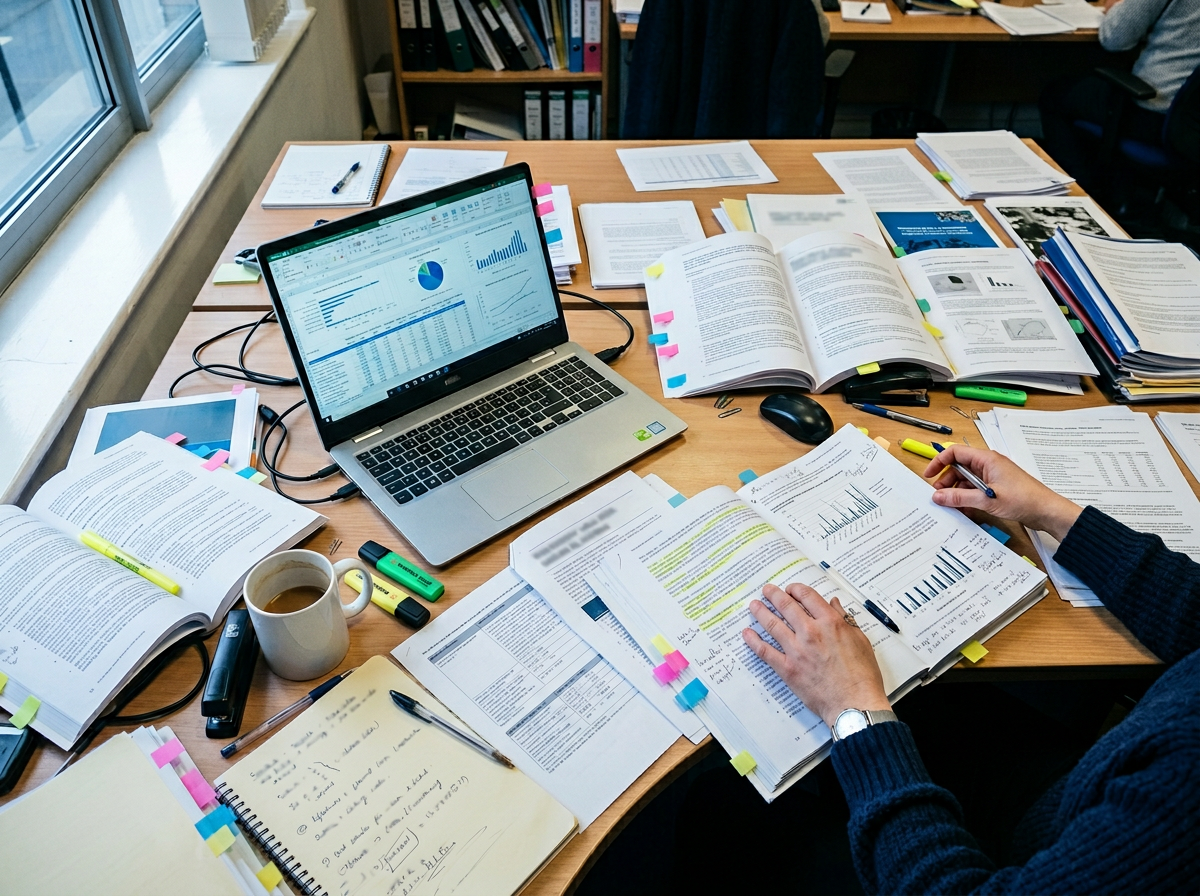
Then we find the reframe.
The question we're always trying to answer is: how do we make an esoteric industry issue into something a real person cares about?
When John was working with the International Wood Products Association on import restrictions — about as inside-baseball a trade issue as Washington produces — the research pointed toward home renovation. Import restrictions meant higher costs for the materials homeowners use every day. That reframe led to Bob Vila engaging with the issue on social media. A trade association's policy fight became a story about your kitchen renovation.
That's the work. Finding the angle that moves the issue from the trade press to the conversation your target audience is already having.
Then we build the campaign — and stay in it.
We don't hand off a strategy document and disappear. We work alongside you as the campaign develops, adapting in real time to new research, breaking news, and emerging opportunities. Effective campaigns are living things — there is always a new development to take advantage of, always a new angle the opposition hasn't anticipated.
We conduct ongoing monitoring of earned and social media not to track metrics but to find the next opening. Because there is always a next opening.
And we calibrate constantly. A campaign designed to move legislation in a state capital requires a different approach than one designed to shift perception in a trade association's membership. Sometimes the most valuable piece of coverage runs in a mid-sized outlet in a state capital rather than a national publication — because that's where the legislator you need to reach gets their news. We know the difference, and we build for it.
The most powerful arguments are usually already out there — buried in government research, hiding in an opponent's own citations, sitting in data your organization collected years ago and never fully used. We go looking for them using every tool available: AI, open-source research, interviews, monitoring of what opposition groups and third parties are saying, citing, and arguing.
That research does two things simultaneously. It surfaces the assets you aren't using. And it identifies the voices — often unexpected — who could be recruited as allies.
When Megan found NHTSA data showing roving patrols catch three times as many drunk drivers as roadblocks, that single finding reframed an entire policy debate. It was sitting in a government database. Nobody had thought to use it that way.